
Ethical Elephant Sanctuaries in Phuket: The Honest 2026 Guide
Not every "sanctuary" in Phuket deserves the name. Here is how to tell the real ones apart — and the three we recommend.
Planning this trip? Get a free, tailored itinerary from our Thailand-based specialists. Get a free itinerary →
Ethical Elephant Sanctuaries in Phuket
Elephant tourism has changed enormously in the last decade. Riding camps are shrinking, and genuine sanctuaries — where rescued elephants live out their days without work — are growing. But the word "sanctuary" is unregulated, and some venues use it while still offering rides or forced bathing. This guide explains what to look for and names the three ethical sanctuaries in Phuket we trust.
What "ethical" actually means
A true sanctuary meets all of these criteria:
- No riding. Ever. An elephant's spine cannot healthily carry a chair and passengers.
- No bathing with tourists. Forced bathing is stressful and elephants often bathe alone in their own time. "Observation only" bathing is fine.
- No shows, tricks, painting or football. These are trained through punishment.
- No bullhooks visible or used.
- Small groups, limited daily visitors. Usually capped at 30–50 people per session.
- Elephants are free to walk away from tourists — no chains during activities.
If a venue advertises any of the banned activities, walk away — no matter how good the marketing photos look.
The three sanctuaries we book
1. Phuket Elephant Sanctuary (Paklok)
The original ethical sanctuary in Phuket, opened in 2016. Rescued mostly older female elephants from logging and trekking camps. Morning or afternoon sessions include a documentary, feeding and forest walk. No physical contact beyond feeding. ฿3,000 adult / ฿1,500 child. Book 6+ weeks ahead.
2. Green Elephant Sanctuary Park (Kathu)
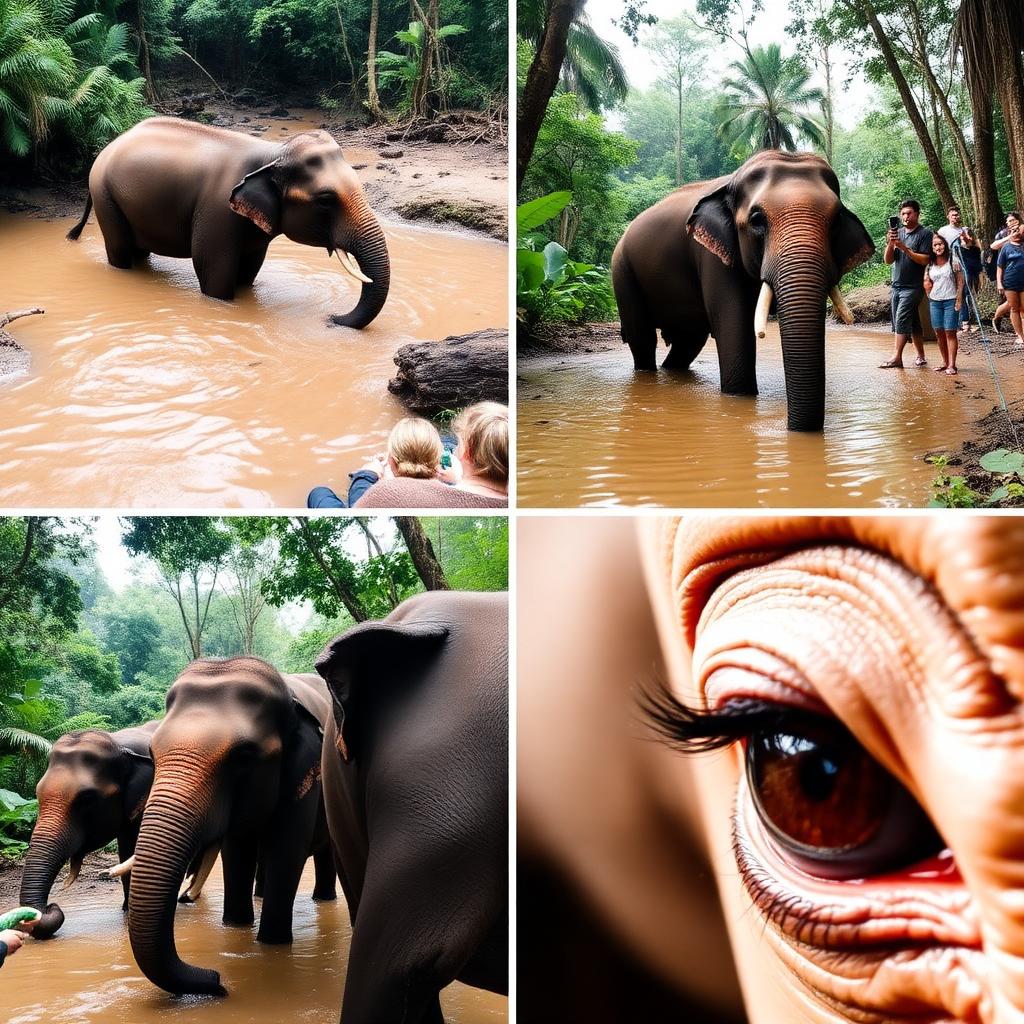
Closer to Patong, easier logistics for west-coast hotels. They offer a mud spa and elephant bathing programme — controversial in strict ethical terms but the elephants are not forced and can leave the water anytime. Judge for yourself.
3. Elephant Jungle Sanctuary Phuket (Kamala)
Part of a wider Thailand network. Feeding and observation only in the newer programme. Good option if the two above are fully booked.
Sanctuaries to avoid
Any operator whose website still shows people riding, doing tricks, or standing on elephants. Also skip any venue that promises "up close bathing" with a chair or platform — those are the tell-tale signs of a rebranded trekking camp.
Practical tips
- Wear old clothes and closed shoes. Elephants are muddy.
- Bring cash for the tip jar — mahouts are often underpaid.
- Morning sessions (07:30–11:00) are cooler and the elephants are more active.
- Half-day transfer + sanctuary usually runs ฿4,500–5,500 total per person incl. hotel pickup.
We personally visit every sanctuary we recommend once a year. If ethics matter to you, we can book the exact programme that fits your values. Get in touch →
Frequently asked questions
Ready to make it happen?
Talk to a Thailand specialist — we usually reply within 30 minutes.